
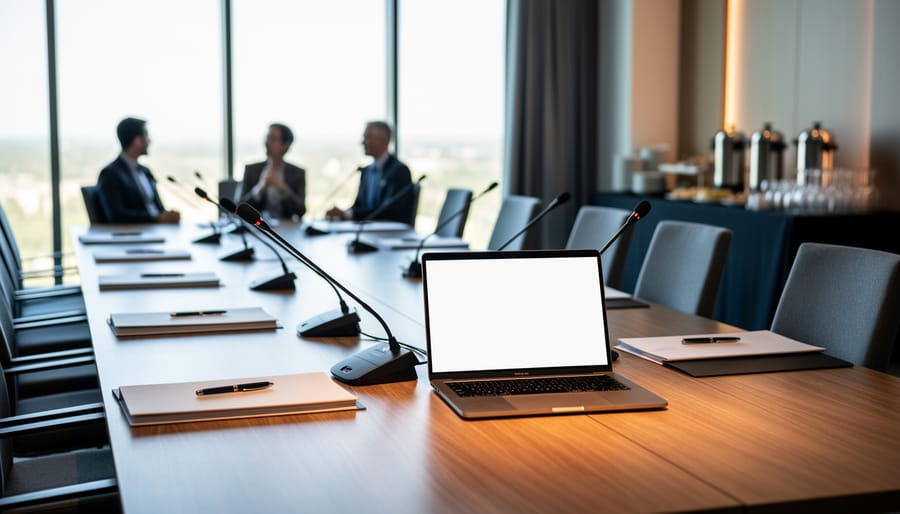
Choosing the right conferencing facility comes down to five core factors: location accessibility, room capacity and layout flexibility, integrated technology capabilities, comprehensive catering services, and transparent pricing structures. Business professionals who evaluate venues against these criteria consistently report smoother events, higher attendee engagement, and better return on investment for corporate gatherings. The selection process need not be overwhelming when you understand how different venue types serve distinct meeting objectives and how to match your specific requirements to the right space.
Modern conferencing facilities range from hotel convention centers and standalone boardroom spaces to hybrid venues that blend meeting infrastructure with exceptional hospitality services. The distinction matters because each configuration delivers unique strategic advantages depending on your event format, duration, and attendee profile. A half-day executive strategy session demands different amenities than a full-day client presentation or multi-session training workshop.
What separates exceptional conferencing facilities from adequate ones is the integration of professional-grade meeting infrastructure with attentive service and quality catering. Venues that understand business dining needs provide more than basic coffee service. They recognize that well-timed, thoughtfully prepared refreshments and meals keep participants focused and productive throughout demanding agendas. This comprehensive approach transforms standard meeting spaces into environments where meaningful work happens.
What Makes a Great Business Conferencing Facility
A great business conferencing facility isn’t just a room with chairs. It’s where your team makes decisions, where clients form impressions, and where ideas take shape. The right venue delivers on six essential factors that directly impact your meeting’s success.
Location matters more than most organizers realize. Your facility should be accessible to attendees without adding stress to their day. Look for venues near major transport links, with clear directions and adequate parking. A central location saves travel time and signals professionalism to clients. If participants are flying in, proximity to airports or hotels becomes critical.
Room capacity and layout flexibility determine whether your space works or fights against you. The venue should comfortably accommodate your group size without feeling cramped or cavernous. Equally important is adaptability: can the room support different setups like theater-style presentations, roundtable discussions, or U-shaped configurations? Fixed layouts limit your meeting format options and can undermine engagement.
Technology and A/V capabilities can make or break presentations. Verify that the facility offers reliable Wi-Fi, quality projection or display screens, clear audio systems, and videoconferencing equipment if needed. Test everything during a site visit. Technical failures during client presentations damage credibility and waste time.
Catering quality transforms ordinary meetings into productive experiences. Assess menu variety, accommodation of dietary restrictions, food freshness, and presentation standards. Mediocre food becomes a distraction; exceptional catering keeps participants energized and focused.
Ambiance and professionalism set the tone before anyone speaks. The space should feel clean, well-maintained, and appropriately styled for business. Natural light, comfortable furniture, and thoughtful design details contribute to a setting where serious work happens.
Service responsiveness separates competent venues from exceptional ones. Staff should anticipate needs, solve problems quickly, and communicate clearly throughout the booking process and event day. Responsive service means fewer surprises and smoother execution.
Types of Business Conferencing Facilities Compared
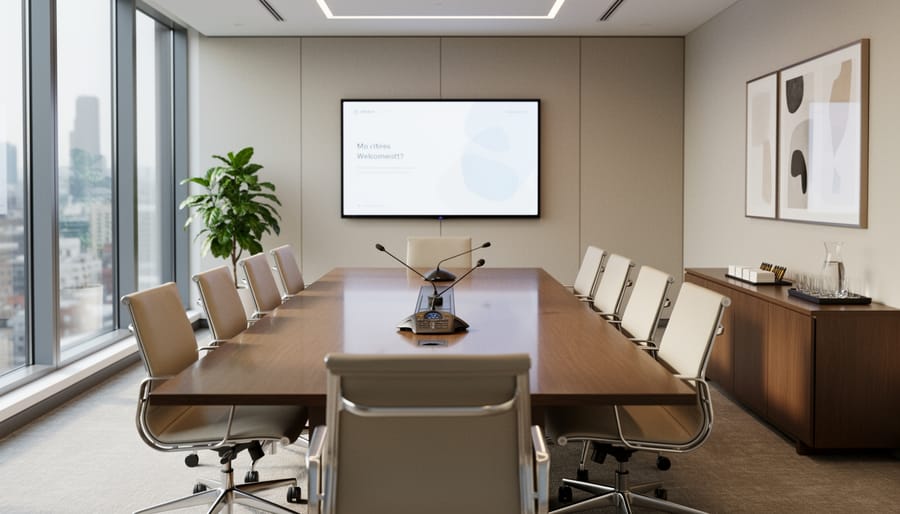
Dedicated Conference Centers
Dedicated conference centers are purpose-built venues offering expansive meeting halls, breakout rooms, and professional-grade infrastructure. They excel at hosting large-scale corporate events, think industry conferences, annual shareholder meetings, or multi-day training programs with 100+ attendees. These facilities typically provide built-in A/V equipment, tiered seating options, registration desks, and on-site technical support.
The trade-off? They often lack the personalized touch and culinary flexibility of smaller venues. Catering tends toward standardized banquet menus rather than chef-prepared dishes. While they deliver scale and reliability, dedicated centers can feel impersonal for smaller gatherings where relationship-building matters. They’re your best bet when attendee count and logistical complexity outweigh the need for intimate atmosphere or distinctive food.
Hotel Boardrooms
Hotel boardrooms deliver the convenience of on-site accommodations alongside professional meeting spaces, making them ideal when your agenda spans multiple days or participants are traveling from other cities. These venues bundle lodging, dining, and conferencing into a single location, eliminating logistical headaches for event organizers.
Full-service hotels typically provide comprehensive audio-visual equipment, dedicated event coordinators, and flexible meal schedules that accommodate early breakfast sessions or late-evening networking. The trade-off? Catering menus can feel standardized, and pricing often reflects the convenience premium. Hotel boardrooms work best for corporate retreats, executive offsites, or client meetings where overnight stays simplify travel arrangements and keep teams focused without venue-hopping between sessions.
Restaurant-Based Meeting Spaces
Restaurant-based meeting spaces offer a compelling alternative to traditional conference venues by merging professional boardroom settings with exceptional on-site dining. These facilities eliminate the logistical hassle of coordinating external catering while ensuring fresh, high-quality meals prepared steps away from your meeting room.
Havana Lunch exemplifies this model with dedicated boardroom facilities designed specifically for business use, complemented by diverse lunch selections ranging from gourmet sandwiches to specialty entrees. The proximity to the kitchen means dietary accommodations happen seamlessly, and presentation standards remain consistently high throughout your event.
This venue type particularly shines for working lunch meetings, client presentations over meals, and half-day sessions where food quality directly impacts attendee satisfaction. You gain the professionalism of a dedicated meeting space without sacrificing culinary excellence, an advantage standalone boardrooms simply can’t match.
Coworking and Standalone Rentals
Coworking spaces and standalone boardroom rentals cater to startups, remote teams, and businesses needing flexible, on-demand meeting solutions. These venues typically offer modern aesthetics, high-speed internet, wireless presentation technology, and hourly or half-day booking options without long-term commitments. They work well for quick client pitches, team huddles, or informal strategy sessions where agility matters more than formality.
The trade-off? Catering is usually limited to third-party delivery or basic coffee service, and you sacrifice the intimate, dedicated atmosphere of a full-service facility. Privacy can be inconsistent in open-plan coworking environments, making them less suitable for confidential board discussions or high-stakes negotiations requiring discretion.
Matching the Facility to Your Meeting Type
Selecting the right conferencing facility starts with understanding what your specific meeting demands. A venue that excels for client presentations might feel overly formal for a working session, while a space perfect for workshops could lack the polish needed for board deliberations. Match the facility’s strengths to your meeting’s purpose, and you’ll create an environment where business objectives come naturally.
For client presentations, ambiance matters as much as content. You’re showcasing your brand and expertise, so the space should reinforce professionalism without feeling sterile. Look for venues with striking design elements, quality furnishings, and natural light. An executive dining room offers the polish these meetings require, combining boardroom functionality with refined surroundings that impress prospective clients. Pre-meeting refreshments and elegant lunch service demonstrate attention to detail that extends beyond your pitch deck.
Working lunch meetings benefit most from venues where catering quality is central, not an afterthought. These sessions blend productivity with dining, so mediocre food becomes a distraction rather than fuel. Seek facilities offering diverse menu options that accommodate various dietary needs and preferences without requiring guests to fill out forms weeks in advance. Havana Lunch’s boardroom exemplifies this balance, providing a professional setting where exceptional food service supports rather than interrupts the work at hand. The ability to order à la carte or choose from curated selections keeps the focus on business while elevating the entire experience.
All-day workshops and training sessions require comfort and variety. Eight hours in a windowless hotel conference room with identical coffee breaks breeds fatigue faster than any agenda. Prioritize venues with flexible seating arrangements, temperature control, and natural light. Catering becomes critical here: breakfast to start strong, varied lunch options to maintain energy, and afternoon refreshments that go beyond stale cookies. Venues offering multiple meal services throughout the day, with options ranging from light fare to substantial entrées, keep participants engaged and alert.
- Client presentations: Impressive ambiance, refined surroundings, pre-meeting refreshments, elegant service
- Working lunch meetings: Superior catering quality, diverse menu selections, seamless food service integration
- All-day workshops: Comfort-focused layout, natural light, varied meal options from breakfast through dinner
- Board meetings: Privacy, executive-level furnishings, customizable catering, professional discretion
Intimate board meetings demand privacy and an atmosphere that signals importance. These gatherings involve sensitive discussions and strategic decisions, so choose facilities with soundproofing, dedicated entrances, and layouts that prevent interruptions. The right venue combines private dining capabilities with boardroom professionalism, ensuring conversations remain confidential while service remains attentive. Havana Lunch’s dedicated boardroom facilities meet these criteria, offering the seclusion boards require alongside catering that matches the significance of the occasion.
Evaluating Catering Quality and Menu Flexibility
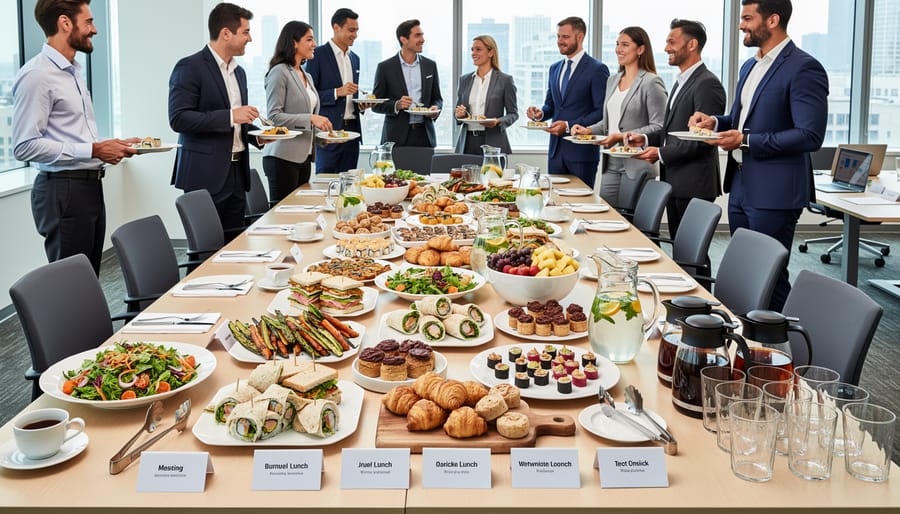
Catering quality often determines whether attendees leave energized or distracted by poor food experiences. Start by evaluating menu diversity across meal times, venues offering breakfast, lunch, dinner, and snack options provide flexibility for all-day workshops or multi-session events. Look for establishments that move beyond generic sandwich platters and offer creative, flavorful choices that attendees will genuinely enjoy.
Dietary accommodation separates average caterers from exceptional ones. Your facility should handle vegetarian, vegan, gluten-free, and allergen-sensitive requests without treating them as burdensome special cases. Ask potential venues how they manage cross-contamination and whether they can provide ingredient lists. Venues like Havana Lunch demonstrate the standard with diverse lunch selections that naturally accommodate various dietary needs while maintaining flavor and presentation quality.
Ingredient quality and preparation methods reveal a venue’s culinary commitment. Fresh, locally-sourced ingredients and dishes prepared to order indicate a kitchen that prioritizes taste over convenience. During site visits, request tasting sessions to assess flavor profiles and presentation standards. Notice whether meals arrive at proper temperatures and whether presentation matches the professionalism of your event.
Service style matters as much as food quality. Determine whether meals will be plated, buffet-style, or family-style, and confirm that service staff understand timing requirements for working meals. The best conferencing facilities coordinate seamlessly with your agenda, clearing between sessions without disrupting speakers.
Corporate branding opportunities through catering add polish to high-stakes meetings. Some venues can customize menu cards, arrange dishes in company colors, or incorporate branded elements into food stations. This menu flexibility transforms catering from functional necessity into strategic advantage. Facilities that understand how their lunch menu stand out can articulate what differentiates their approach and why it matters for your corporate image.
Common Mistakes to Avoid When Booking
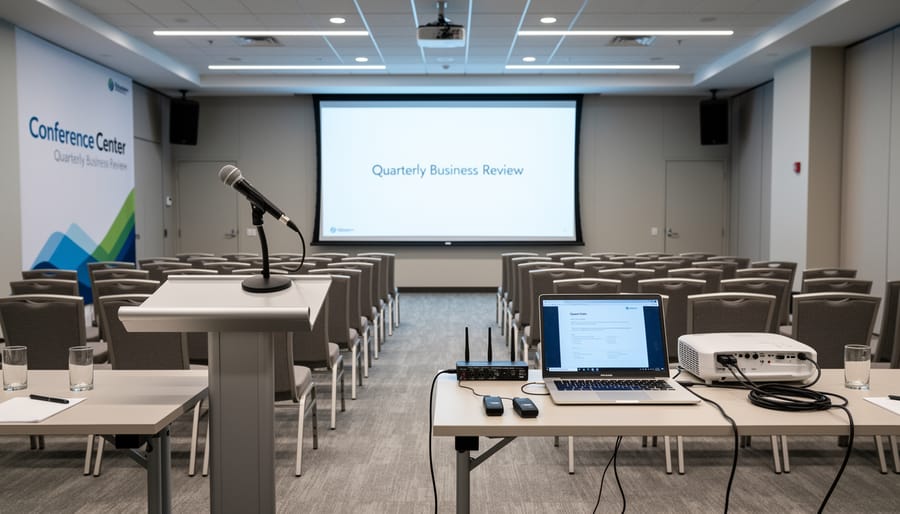
Booking a conferencing facility without doing your homework can turn your professional event into a logistical nightmare. Here are the most critical mistakes businesses make and how to sidestep them.
The biggest error is booking a venue sight unseen. Photos can be misleading, they won’t reveal the dated furniture, poor lighting, or noise from the kitchen. Always visit in person during business hours to assess the space’s actual condition and ambiance. Walk the route your attendees will take from parking to the boardroom. Check if the room feels cramped or if the table configuration works for your group size.
Many organizers assume technology will just work. They arrive to find incompatible projection systems, weak Wi-Fi that can’t handle video calls, or no technical support when the microphone cuts out mid-presentation. Test every piece of equipment you’ll need during your site visit. Bring your laptop and connect it to their system. Run a video conference call to verify bandwidth. Ask who will be available if something fails during your meeting.
Underestimating catering timelines causes unnecessary stress. Quality venues like Havana Lunch need adequate notice to prepare diverse lunch selections and accommodate dietary restrictions properly. Last-minute requests often mean limited menu options or rushed preparation that compromises food quality. Give your caterer at least a week’s notice for standard meetings and two weeks for larger events or complex menus.
- Parking and accessibility oversights, verify sufficient spaces and wheelchair access before confirming
- Vague cancellation policies, get modification terms in writing to avoid penalties for reasonable changes
- Price-only decisions, the cheapest option often lacks service quality, leaving you unsupported when issues arise
- Ignoring setup time, failing to clarify when you can access the space for preparation
- Skipping reference checks, not asking for testimonials from similar corporate clients
Price matters, but it shouldn’t be your sole criterion. A venue that costs 20% less but provides mediocre catering, unreliable technology, and indifferent staff will damage your professional reputation. Calculate the true cost including what you’d need to bring in separately versus what’s included.
The most preventable mistake is not reading the contract thoroughly. Clarify exactly what’s included in your booking, room rental, equipment, basic refreshments, and what costs extra. Understand the cancellation policy, the grace period for final headcount adjustments, and who’s responsible if equipment malfunctions. A clear agreement protects both parties and sets expectations for a successful event.
Questions to Ask Before You Book
Before committing to a conferencing facility, arm yourself with specific questions that reveal whether the venue truly meets your needs. Start with availability: can they accommodate your preferred date and time, and what flexibility exists if your schedule shifts? Clarify what’s included in the base price versus what incurs additional charges, some venues bundle A/V equipment, Wi-Fi, and basic catering, while others itemize every adapter and coffee refill.
What’s included in your standard conference package?
This reveals hidden costs upfront. Quality venues like Havana Lunch typically include room setup, basic A/V, and Wi-Fi as standard, with transparent pricing for catering additions.
Can you customize the menu for dietary restrictions?
Essential for inclusive events. Ask how much advance notice they need and whether customization affects pricing.
What technology support is available during our event?
Determine if technical staff will be on-site or on-call, and how quickly they respond to equipment issues during your meeting.
What are your cancellation and modification policies?
Understanding penalties and notice requirements protects you when business priorities change unexpectedly.
Dig into catering logistics: how far in advance must you finalize menu selections and headcount, and can they handle last-minute dietary requests? For technology, ask whether staff will be present to troubleshoot issues or if you’re on your own once the meeting starts. Confirm setup and breakdown windows, you don’t want to rush attendees out because the next booking starts immediately. Finally, request references from organizations that hosted similar events, then actually contact them to learn about service quality under pressure.
Selecting the right conferencing facility determines whether your business meeting reinforces professionalism or becomes a forgettable logistics exercise. The venues that deliver lasting impressions balance three non-negotiable elements: functional boardroom space designed for productive work, exceptional catering that energizes rather than distracts, and attentive service that anticipates needs before they arise.
Price and proximity matter, but they shouldn’t override quality. A convenient venue with mediocre food and indifferent staff creates the wrong message for clients and disengages your team. In contrast, facilities that integrate culinary excellence with professional meeting infrastructure, like Havana Lunch’s dedicated boardrooms paired with diverse lunch selections and responsive service, position your organization as detail-oriented and quality-focused.
Your conferencing choice speaks volumes about your business standards. Invest time evaluating venues against the criteria that genuinely impact meeting outcomes: technology reliability, menu flexibility, ambiance, and operational professionalism. The right facility becomes a strategic asset, turning routine business gatherings into productive sessions that participants actually remember. Choose deliberately, not just conveniently, and your conferencing investment will consistently deliver returns beyond the meeting room.